Sensory-Friendly Guide to Central Park
Central Park can overwhelm kids with sensory processing differences—but it doesn't have to. This guide maps quiet zones, low-stimulation routes, and adaptive activities for children with SPD, autism, or sensory sensitivities.
Understanding Sensory Challenges in Central Park
Central Park is beautiful—but also chaotic. For kids with sensory processing disorder (SPD), autism, ADHD, or high sensitivity, it can trigger sensory overload.
Common Sensory Triggers in Central Park
- • Crowds: Weekends, especially near Bethesda Fountain and Bow Bridge
- • Noise: Street performers, construction, sirens from nearby streets
- • Visual overload: Too many people, colors, movement
- • Unpredictability: Sudden loud sounds, dogs off-leash, bicycles
- • Temperature changes: Sun/shade transitions, wind tunnels
The Sensory-Friendly Route Map
This route avoids the busiest areas while still offering nature, exploration, and points of interest.
Low-Stimulation Walking Route (1.5 miles, 60-90 min)
- 1. Start: Conservatory Garden (105th St & 5th Ave)
- • Quiet, gated garden (rarely crowded)
- • Predictable layout with three distinct sections
- • Benches for breaks
- • Best time: Weekday mornings
- 2. Walk to: Harlem Meer
- • Wide, flat paths (no sudden terrain changes)
- • Water views (calming for many kids)
- • Duck-feeding opportunities (structured activity)
- 3. Continue to: North Woods
- • Feels like a forest (very few people)
- • Natural sounds (birds, rustling leaves)
- • Shade and natural sensory input
- 4. Exit at: 102nd Street (West Side)
- • Quick subway access if needed
- • Quiet neighborhood for decompression
Sensory Zones: A Visual Guide
Green Zones (Low Stimulation - Safe)
Best for: Kids who need calm, predictable environments
- • Conservatory Garden: Structured, quiet, minimal crowds
- • North Woods: Natural, forest-like, secluded
- • Shakespeare Garden: Small, enclosed, peaceful
- • Turtle Pond: Water views, wildlife watching, benches
- • Pilgrim Hill: Grassy, open, rarely crowded
Yellow Zones (Moderate Stimulation - Manageable)
Best for: Kids who can handle some activity with breaks
- • Belvedere Castle: Interesting but small (limit time inside)
- • Balto Statue: Quick visit, then move on
- • Alice in Wonderland Statue: Go early morning (before crowds)
- • Ramble (early morning): Winding paths, nature sounds
Red Zones (High Stimulation - Avoid or Plan Carefully)
Avoid unless child is regulated and you have exit strategy
- • Bethesda Fountain: Crowds, performers, noise
- • Sheep Meadow (weekends): Thousands of people
- • Central Park Zoo: Lines, crowds, unpredictable animal sounds
- • Wollman Rink: Loud music, skate noise
- • Any playground after 3 PM: Post-school rush
Sensory-Friendly Activities in Central Park
For Sensory Seekers (Needs Movement & Input)
- • Hill rolling: Pilgrim Hill, Cedar Hill (proprioceptive input)
- • Rock climbing: Natural rock formations near Belvedere Castle
- • Log balancing: Fallen logs in North Woods
- • Water play: Conservatory Water (model boat pond)
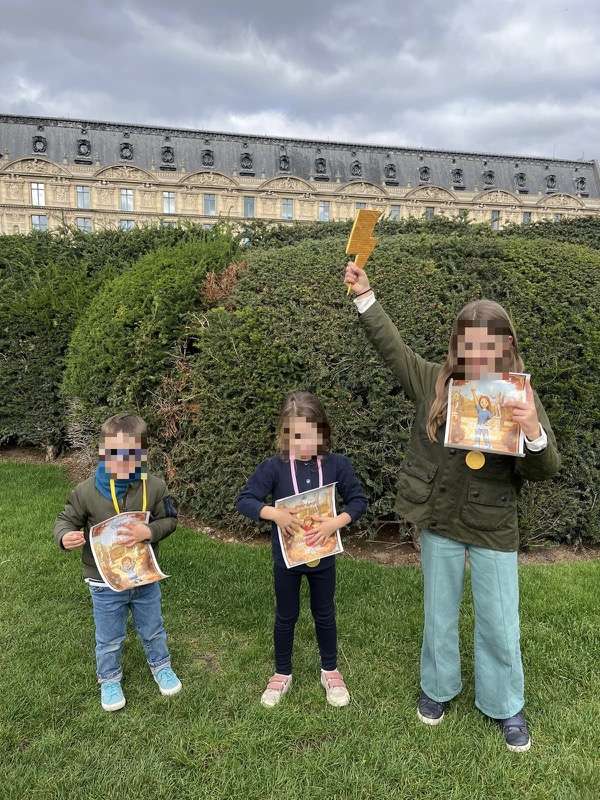
- • Treasure hunting: Structured movement with purpose (Golden Acorn Quest)
For Sensory Avoiders (Needs Calm & Control)
- • Bird watching: Quiet observation at Turtle Pond
- • Nature sketching: Bring paper and pencils to Shakespeare Garden
- • Leaf collecting: Predictable, tactile activity
- • Bench reading: Bring a favorite book, take breaks
- • Photo scavenger hunt: Child controls what/when to photograph
For Kids with Auditory Sensitivities
- • Bring noise-canceling headphones: Especially near roads
- • Visit during off-peak hours: Weekday mornings (9-11 AM)
- • Avoid areas with street performers: Bethesda, Mall
- • Use white noise apps: If city sounds are triggering
- • Prepare for sirens: Practice deep breathing for sudden noises
Timing: When to Visit for Minimal Overwhelm
| Time/Day | Crowd Level | Best For |
|---|---|---|
| Weekday 8-10 AM | Very Low | Kids who need quiet |
| Weekday 10 AM-2 PM | Moderate | Most sensory-sensitive kids |
| Weekday 3-6 PM | High | Avoid if possible |
| Saturday/Sunday 10 AM-5 PM | Very High | Only if child is regulated |
| Early morning (6-8 AM) | Nearly Empty | Best for severe sensitivities |
Sensory Toolkit: What to Bring
Essential Items for Sensory Regulation
- • Noise-canceling headphones or ear defenders
- • Sunglasses: Reduce visual stimulation
- • Fidgets: Tangle toys, stress balls, chewelry
- • Weighted item: Small weighted stuffed animal or lap pad
- • Snacks: Crunchy (chips) for alerting, chewy (gummies) for calming
- • Water bottle: Hydration helps regulation
- • Backup clothes: In case of sensory meltdown or accidents
- • Visual schedule: Printed map with stops marked
- • Comfort item: Favorite small toy or blanket
Adapting The Golden Acorn Quest for Sensory Needs
Modifications for SPD/Autism
- • Preview the route: Show photos of each statue beforehand (reduces surprises)
- • Set clear expectations: "We'll visit 5 statues. After each one, you get a sticker."
- • Build in breaks: Stop at benches between statues for 5-minute rests
- • Modify pace: Split the quest over 2 days if needed
- • Skip crowded stops: If Bethesda Fountain is packed, solve the riddle from a distance
- • Use visual supports: Laminate the map for tactile input
- • Offer choices: "Which statue should we visit first?"
- • Celebrate small wins: "You found the first clue! High five or fist bump?"
Emergency Exit Strategies
When Meltdown is Imminent
- 1. Recognize early signs: Hand-flapping, covering ears, whining, aggression
- 2. Find calm space immediately:
- • North Woods (secluded)
- • Behind Belvedere Castle (quieter side)
- • Any less-trafficked path
- 3. Use regulation strategies:
- • Deep pressure hugs (if child tolerates)
- • Blow bubbles or pinwheels (breathing exercise)
- • Count birds, trees, or leaves (grounding)
- 4. Exit if needed: No shame in leaving early. Success = trying, not finishing.
Parent Testimonials
"My son has SPD and usually melts down in crowded places. We followed the low-stimulation route and he did amazing. The structure of the treasure hunt gave him something to focus on instead of the chaos."
"We modified the Golden Acorn Quest by doing it over two mornings. My autistic daughter loved having a clear goal and visual map. It was the first successful park visit we've had in years."
Try a Sensory-Friendly Central Park Adventure
The Golden Acorn Quest can be adapted for any sensory profile. Structure + flexibility = success.
Get The Golden Acorn Quest - $19