Autism-Friendly Activities in NYC: A Parent's Guide
NYC offers incredible sensory-friendly and autism-accommodating activities. From quiet museum mornings to structured outdoor adventures, here's your comprehensive guide to activities that work for kids on the spectrum.
What Makes an Activity Autism-Friendly?
Key Features to Look For
- • Predictable structure: Clear beginning, middle, and end
- • Sensory accommodations: Quiet spaces, dimmed lights, noise-canceling headphones available
- • Visual schedules: Knowing what comes next reduces anxiety
- • Flexible pacing: Ability to take breaks or leave early
- • Staff training: Employees understand autism and neurodiversity
- • Low-stimulation timing: Early mornings or weekdays when crowds are smaller
Museums with Sensory-Friendly Programs
American Museum of Natural History
Sensory-Friendly Mornings: First Sunday of every month, 9-10 AM (before public opening)
- • Lower lighting in some halls
- • Reduced sound effects
- • Quiet room available
- • Visual schedules provided
- • Staff trained in autism awareness
- • Free fidgets and noise-canceling headphones to borrow
Best exhibits for autism: Gem Hall (predictable, organized), Dinosaur Halls (special interests!), Milstein Hall of Ocean Life (whale is calming)
Children's Museum of Manhattan
Autism Awareness Mornings: Quarterly (check calendar)
- • Hands-on exhibits (great for tactile seekers)
- • Calming Corner with weighted blankets
- • Social stories available on website before visit
- • Staff trained by autism specialists
Intrepid Sea, Air & Space Museum
Accessibility features: Year-round accommodations
- • Social narrative available online
- • Noise-canceling headphones to borrow
- • Aircraft carrier is outdoors (escape option for overwhelmed kids)
- • Space Shuttle Pavilion is climate-controlled and structured
Sensory-Friendly Theater & Performances
Theatre Development Fund (TDF) Autism-Friendly Performances
Broadway shows adapted for sensory sensitivities:
- • Lights stay partially on (no complete darkness)
- • Sound levels reduced
- • Movement encouraged (kids can stand, stim, move)
- • Quiet areas outside theater
- • Social stories provided in advance
- • Recent shows: The Lion King, Frozen, Aladdin
Cost: $10-20 per ticket (heavily subsidized)
Carnegie Hall Sensory-Friendly Concerts
Shorter concerts (45 min), interactive, movement encouraged. Classical music in a judgment-free environment.
Outdoor Activities: Central Park Edition
Why Central Park Works for Many Kids on the Spectrum
- • Predictability: Statues, landmarks, paths don't change
- • Low sensory load: Natural sounds, no fluorescent lights
- • Space to stim: Room to move, jump, flap without judgment
- • Escape routes: Easy to leave if overwhelmed
- • Visual interest: Squirrels, birds, water features for focus
- • Structured options: Predictable walking routes
Best Central Park Spots for Autism-Friendly Visits
- Turtle Pond: Predictable (turtles are always there), quiet, fewer crowds
- Conservatory Garden: Structured, organized flower beds, sensory input from flowers
- Belvedere Castle: Clear destination, interesting architecture, panoramic views
- North Woods: Quiet, forest-like, calming for sensory seekers
- Alice in Wonderland Statue: Climbable, tactile, predictable location
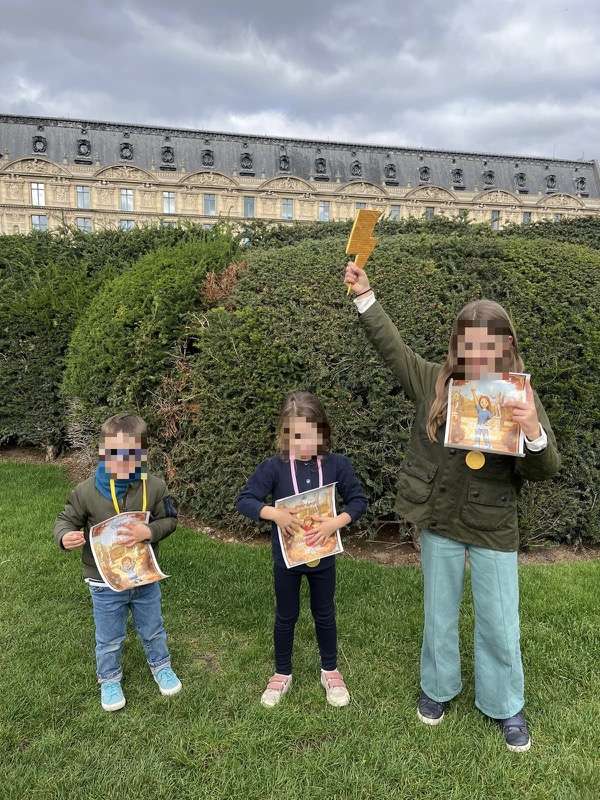
Structured Central Park Activity: The Golden Acorn Quest
Why this works for many kids on the spectrum:
- • Clear structure: 5 riddles with specific destinations
- • Visual supports: Map, written riddles, photos
- • Predictable format: Read riddle → Find landmark → Take photo → Next riddle
- • Self-paced: Take breaks, go at your own speed
- • Special interests: Great for kids into Greek mythology, statues, or maps
- • Concrete goal: Finding all 5 locations gives closure
- • Low social demand: Family activity, no forced peer interaction
Indoor Play Spaces
Chelsea Piers Gymnastics (Sensory Gym)
- • Sensory gym sessions for kids with autism (Saturdays)
- • Trampolines, crash mats, swings for proprioceptive input
- • Trained staff, low student-teacher ratio
Kidville (Sensory-Friendly Hours)
- • Weekday mornings (9-11 AM) are quietest
- • Ball pit, slides, climbing structures
- • Staff experienced with neurodivergent kids
NYC Parks Programs
Therapeutic Recreation Programs
Free or low-cost programs specifically for kids with disabilities:
- • Adaptive sports (basketball, soccer, swimming)
- • Art classes with sensory accommodations
- • Nature exploration groups
- • Social skills groups in outdoor settings
How to register: Contact NYC Parks Therapeutic Recreation at (212) 408-0209
Timing Strategies
Best Times to Visit Popular Spots
- Museums: Weekdays 10-11 AM (after school groups, before lunch rush)
- Central Park: Early mornings (7-9 AM) or late afternoons (4-6 PM) on weekdays
- Playgrounds: Avoid 3-5 PM (after-school chaos)
- Restaurants: Early dinner (5-6 PM) before crowds arrive
- Subway: Avoid rush hour (7-9 AM, 5-7 PM)—too loud and crowded
Preparation Tips for Success
- Use social stories: Many museums provide these on websites. Create your own for other activities.
- Visit at low-traffic times first: Build familiarity before attempting busier periods
- Bring sensory tools: Noise-canceling headphones, fidgets, sunglasses, weighted lap pad
- Plan escape routes: Know where exits are, have a backup plan
- Set clear expectations: "We're visiting 3 exhibits, then leaving"
- Reward completion: Preferred snack or activity after challenging outings
- Photograph locations beforehand: Show child where you're going (Google Street View helps)
Resources for NYC Families
- Autism Speaks NYC: Activity listings and family meetups
- New York City Autism Charter School: Workshops open to public
- YAI Network: Recreation programs and family support
- JCC Manhattan: Inclusion programs and sensory-friendly events
- Facebook group: "NYC Special Needs Parents" (15k+ members)
Final Thoughts
NYC has come a long way in autism acceptance and accommodation. While not every activity will work for every child, the options continue to expand. Start small, celebrate successes, and know that many families are navigating the same challenges.
A Structured Outdoor Adventure for Your Family
The Golden Acorn Quest provides predictable structure, visual supports, and self-paced exploration—perfect for many neurodivergent children.
Learn More - $19