Teaching Kids to Respect Nature: Central Park Edition
Central Park is the perfect outdoor classroom for teaching environmental responsibility. Here are practical, age-appropriate ways to help kids understand why respecting nature matters.
Why Central Park is Perfect for Nature Education
Central Park isn't wilderness—it's a carefully designed ecosystem. Every tree, pond, and meadow was planted or created by humans. This makes it an ideal place to teach kids about the balance between human needs and nature preservation.
The Foundation: Leave No Trace Principles for Kids
- • Take only photos, leave only footprints: Simple rule kids can remember
- • Pack it in, pack it out: Whatever you bring, you take home
- • Stay on paths: Trampled grass hurts the ecosystem
- • Respect wildlife: Look but don't touch or feed
- • Leave what you find: Rocks, flowers, and acorns stay in the park
Age-Appropriate Lessons
Ages 3-5: Simple Actions
At this age, focus on concrete rules rather than abstract concepts.
- Trash Game: Make picking up litter a treasure hunt. "Let's find 5 pieces of trash!" Celebrate finding recyclables vs. garbage.
- Gentle Hands: Practice touching leaves, bark, and flowers gently. "Would you like someone to pull your hair? Plants have feelings too."
- Bird Watching Rules: Whisper voices, slow movements, no chasing. Turn it into a game: "Can you be quieter than a mouse?"
- Feed the Trash Can: Make throwing away wrappers fun. "The trash can is hungry!"
Ages 6-8: Cause and Effect
Kids this age can understand consequences. Connect actions to outcomes.
- Trampling Demo: Show how walking off-path kills grass. Find a worn patch: "See what happens when too many people walk here?"
- Litter Lifespan: Explain decomposition. "This banana peel disappears in 2 weeks. This plastic bottle takes 450 years."
- Wildlife Food Chain: Explain why feeding ducks bread is harmful. "It's like if you only ate candy—not healthy!"
- Tree Benefits: Count shade, oxygen production, bird homes. "This tree is an apartment building for squirrels!"
- Water Quality: Visit Turtle Pond. Discuss how trash in water hurts animals.
Ages 9-12: Bigger Picture
Older kids can grasp systems thinking and their role in ecosystems.
- Ecosystem Interdependence: Discuss how trees, birds, insects, and soil depend on each other.
- Central Park History: Explain that the park was designed in 1858. Nothing is "natural"—it's all maintained by humans.
- Invasive Species: Point out non-native plants crowding out native ones. Compare to video game invasions.
- Carbon Footprint: Calculate how many trees offset their family's car emissions.
- Volunteer Opportunities: Central Park Conservancy has youth programs for tree planting and cleanup.
Hands-On Activities That Teach Respect
1. Nature Scavenger Hunt (Observation Only)
Create a checklist of things to see, not collect:
- A bird's nest (look, don't touch)
- Three different leaf shapes
- Evidence of wildlife (footprints, acorn shells)
- A flower (photograph it, don't pick it)
- Trash that doesn't belong (pick it up!)
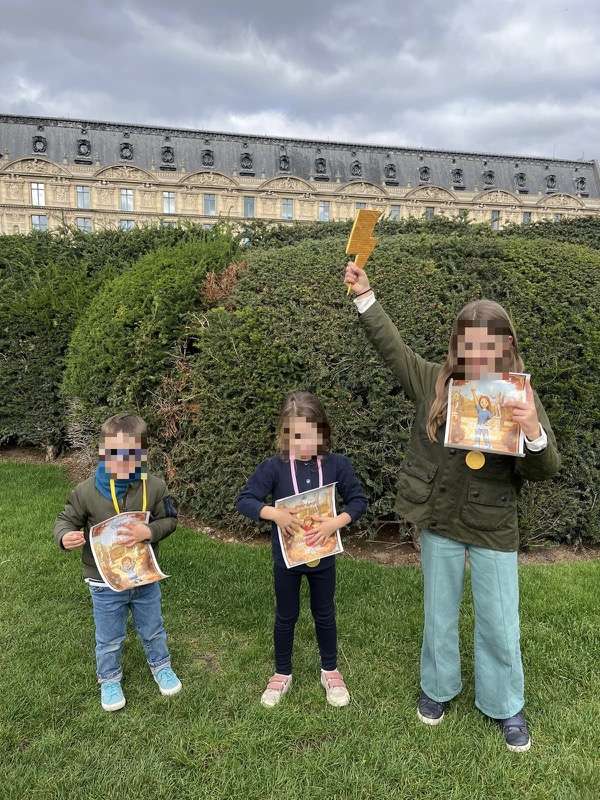
The Golden Acorn Quest does this perfectly—kids solve riddles by observing landmarks without disturbing anything.
2. Trash Art Challenge
Bring gloves and bags. Collect litter for 20 minutes, then sort it by material (plastic, metal, paper). Discuss which items could have been avoided (single-use plastics). Take a "before and after" photo to show the difference you made.
3. Bird Count Citizen Science
Download the Merlin Bird ID app. Spend 30 minutes identifying and counting birds. Submit data to eBird (real scientific database). Kids love contributing to "real science."
4. Adopt a Tree
Choose one tree to visit repeatedly. Photograph it each season. Measure its trunk circumference. Name it. Kids develop attachment and responsibility for "their" tree.
5. Nature Journal
Bring sketch paper and pencils. Draw what you see (flowers, insects, trees). Write one observation. Reinforces looking closely without touching.
Common Mistakes Parents Make
- Letting kids feed wildlife: Bread makes ducks sick. Human food disrupts natural foraging. Just don't.
- Picking flowers for a bouquet: Seems harmless, but multiplied by millions of visitors, it devastates the ecosystem.
- Letting kids climb on historic statues: Oils from hands damage bronze. Teach appreciation, not climbing.
- Throwing food scraps in bushes: "It's biodegradable!" Yes, but it attracts rats and disrupts wildlife diets.
- Ignoring your own trash: Kids watch everything. If you litter, they will too.
The Positive Framing Approach
Instead of "Don't touch," "Don't pick," "Don't feed," try positive framing:
- • Instead of: "Don't pick the flowers"
- • Say: "Let's take a photo so everyone can enjoy it!"
- • Instead of: "Don't feed the squirrels"
- • Say: "Squirrels are amazing foragers. Watch them find their own food!"
- • Instead of: "Stay on the path"
- • Say: "Paths protect the grass so it can grow tall and strong."
Long-Term Impact
Studies show that kids who spend time in nature and learn environmental ethics are more likely to:
- Recycle and compost as adults
- Support environmental policies
- Choose sustainable careers
- Pass nature appreciation to their own children
- Reduce their carbon footprint
Your Central Park visits today are shaping the next generation of environmental stewards.
Resources for Continued Learning
- Central Park Conservancy: Free educational programs and volunteer opportunities
- NYC Parks GreenThumb: Community garden programs for kids
- Audubon Society NYC: Bird watching walks and youth programs
- Inwood Hill Park Nature Center: Hands-on environmental education
Teach Nature Respect Through Adventure
The Golden Acorn Quest teaches kids to observe landmarks, follow paths, and respect historic sites—all while having fun.
Start the Quest - $19