Is Central Park Safe? Family Safety Guide 2026
Central Park is generally very safe for families—but like any urban park, awareness matters. Here's what you need to know about safety, which areas to stick to, and practical tips for visiting with kids.
The Short Answer: Yes, Central Park is Safe for Families
Safety at a Glance
- • Crime rate: Very low compared to surrounding NYC neighborhoods
- • Peak safety hours: 8 AM - 7 PM (crowded, well-patrolled)
- • NYPD presence: Central Park Precinct + mounted patrols + surveillance cameras
- • 42 million visitors annually: Incidents are rare relative to foot traffic
- • Safest areas: South end, playgrounds, main paths
- • Common sense applies: Stay aware, trust your instincts, avoid isolated areas after dark
Crime Statistics (2023-2024)
The Numbers
- • Major crimes in 2024: ~200 reported incidents (in a park with 42M annual visitors)
- • Most common: Petty theft (pickpocketing, unattended belongings)
- • Violent crime: Extremely rare during daylight hours
- • Trend: Crime has decreased 30% since 2020
- • Context: Central Park is statistically safer than most NYC neighborhoods
Safety by Time of Day
Daytime (8 AM - 6 PM) - Very Safe
This is when Central Park is busiest and safest. Crowds, NYPD patrols, and daylight create a secure environment.
- • Thousands of people in the park
- • NYPD on foot, bikes, and horseback
- • Playgrounds supervised by parents
- • Vendors, performers, tourists everywhere
Early Evening (6 PM - 9 PM) - Generally Safe in Summer, Use Caution in Winter
Summer: Still light out until 8:30 PM, plenty of people. Fine for families.
Winter: Dark by 5 PM. Stick to well-lit, populated areas or leave before sunset.
Late Night (9 PM - 6 AM) - Avoid with Kids
The park is technically open 6 AM - 1 AM, but late-night visits aren't recommended for families.
- • Few people around (especially weeknights)
- • Limited NYPD presence
- • Poor lighting in many areas
- • Higher chance of encounters with homeless individuals or intoxicated people
Exception: SummerStage concerts or organized events with crowds and security.
Safe Areas vs Areas to Avoid
Safest Areas for Families
- • Bethesda Fountain & Terrace: Always crowded, central location
- • The Mall: Wide, open, heavily trafficked
- • Playgrounds (all 21): Supervised by parents, NYPD checks regularly
- • Sheep Meadow & Great Lawn: Open spaces, visible from all sides
- • Conservatory Garden: Gated, closes at dusk, security present
- • Bow Bridge & Cherry Hill: Popular tourist spots, always people around
Use Extra Caution (Not Dangerous, Just Less Populated)
- • The Ramble: Winding paths, dense foliage, easy to get disoriented. Fine during daylight with people around.
- • North Woods: Very quiet, hilly, fewer visitors. Go in groups.
- • Harlem Meer (north end): Safe, but less crowded than south end. Stick to main paths.
- • Isolated bathrooms: Use facilities near playgrounds or visitor centers instead.
Practical Safety Tips for Families
General Awareness
- • Stay on main paths: Avoid shortcuts through dense woods
- • Keep kids in sight: Central Park is 843 acres—kids can wander far quickly
- • Teach meeting points: If separated, meet at nearest playground or landmark
- • Trust your gut: If an area feels off, leave
- • Stay in groups: Solo parents with young kids are fine in busy areas; avoid isolated spots alone
Theft Prevention
- • Don't leave belongings unattended: #1 cause of theft—bags on benches, strollers, blankets
- • Wear crossbody bags: Harder to grab than backpacks
- • Keep phones in pockets: Not on blankets or tables
- • Zip stroller compartments: Wallets in stroller pockets are easy targets
- • Avoid flashing valuables: Expensive cameras, jewelry draw attention
Traffic & Bikes
- • Cyclists can be fast: Teach kids to stay on pedestrian paths, not bike lanes
- • Pedicabs: Watch for them near major attractions
- • Cars during weekdays: Park drives allow cars on weekdays—hold kids' hands near roads
- • Runners: Popular running loops—step aside when you hear footsteps
Wildlife & Nature
- • Rats: Present near trash cans, especially at dusk. Avoid feeding animals.
- • Raccoons: Occasionally seen, especially near water. Don't approach or feed.
- • Geese/swans: Can be aggressive if you get too close to babies. Keep distance.
- • Ticks: Stay on paths, check kids after visiting wooded areas (Lyme disease is rare but possible)
What to Do in Emergencies
- Call 911: For emergencies (injury, crime in progress, lost child)
- Central Park Precinct: (212) 570-4820 (non-emergency)
- Lost child: Alert nearest NYPD officer or park staff immediately. Stay at location where child was last seen.
- Medical emergency: EMS responds to Central Park quickly. Know your location (nearest landmark or street entrance).
- Report suspicious activity: See something, say something. Alert NYPD.
Teaching Kids Park Safety
- • Establish boundaries: "Stay where you can see me"
- • Teach stranger danger: Don't go with anyone except parents
- • Identify safe adults: NYPD officers, park rangers, parents with kids
- • Memorize parent phone: Even young kids can learn a phone number
- • Practice "what if" scenarios: "What if you can't find me?"
Structured Activities = Built-In Safety
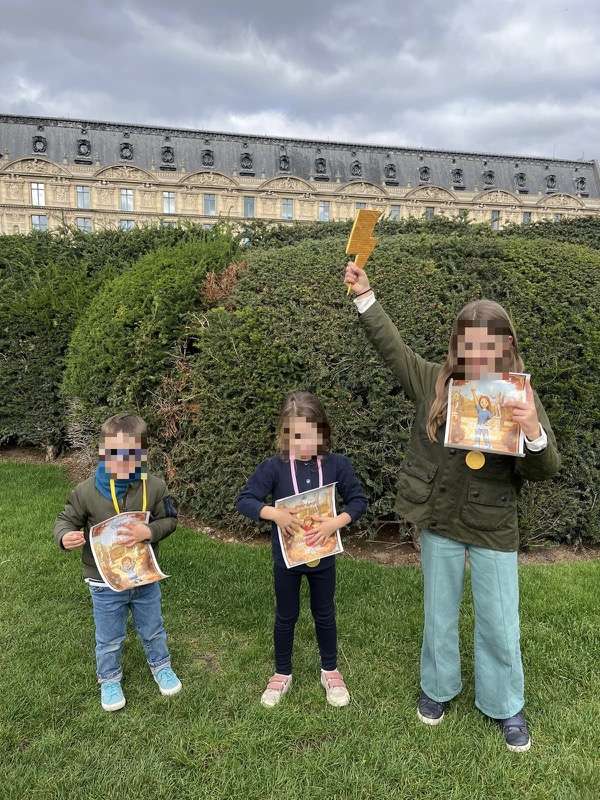
Activities like The Golden Acorn Quest keep families together and on well-trafficked paths:
- • Predefined route through safe, popular areas
- • Kids stay engaged and close to parents
- • Landmarks are in open, well-populated zones
- • 2-hour duration = finish well before dark
The Bottom Line
Central Park is safe for families who use common sense. Millions of families visit annually without incident. Stay aware, stick to populated areas during daylight, and don't leave belongings unattended. With basic precautions, Central Park is one of NYC's safest outdoor spaces.
Explore Central Park Safely with a Guided Adventure
The Golden Acorn Quest keeps families together on well-trafficked paths while exploring Central Park's highlights.
Start the Quest - $19